
Is "timeless" jewellery a real thing — or just what brands say when they don't want to talk about trends?
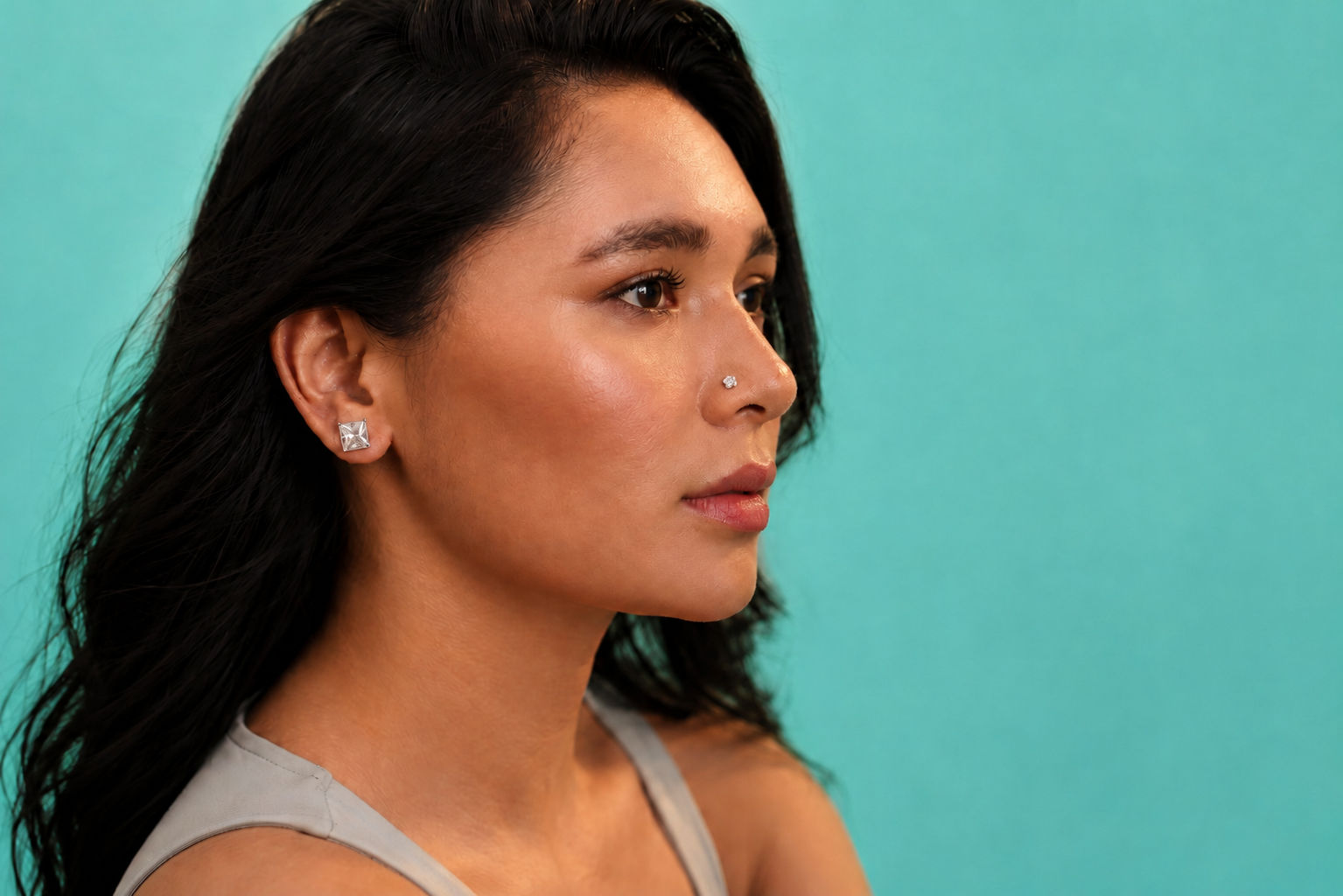
Is timeless jewellery real or clever marketing? Ethera unpacks trends, lasting design and the honest case for lab grown diamonds, without the sales pitch.
Timeless jewellery is real, but the label gets stretched far beyond usefulness. A piece becomes timeless when its design remains wearable after a trend fades, not simply because a brand places the word beside it in an elegant serif font.
Some jewellery genuinely survives changing tastes. Diamond studs, slim gold bands, tennis bracelets and solitaire pendants have moved through decades without looking trapped in any one of them. Other designs are called timeless because saying “this is having a moment” sounds less reassuring when the price has several zeroes.
That doesn’t make trend-led jewellery a scam. It just means the honest question isn’t whether a piece will stay fashionable forever. It’s whether you’ll still want to wear it after the algorithm moves on.
Timeless jewellery exists, but it isn’t immune to trends
Timeless jewellery usually has a simple structure, familiar proportions and enough restraint to work across different eras and wardrobes.
That doesn’t mean its design has never changed. Look closely at engagement rings, tennis necklaces or gold hoops across different decades and you’ll see shifting stone sizes, band widths, settings and metal colours. The basic idea remains, while the proportions move with fashion.
A solitaire ring is a useful example. The concept is enduring: one central diamond on a band. Yet a chunky yellow-gold bezel from the 1970s, a thin white-gold band from the 2000s and a low-set oval solitaire today don’t look identical. They belong to the same design family, but each carries clues from its time.
This is what “timeless” usually means in practice. The foundation lasts. The styling changes.
A piece doesn’t have to float outside fashion to earn a long life. It only needs enough clarity in its design to survive reinterpretation.
Calling everything timeless is where the honesty problem begins
The word “timeless” loses meaning when it’s used to describe every plain chain, oversized cocktail ring and seasonal motif in a collection.
Jewellery marketing often leans on permanence because fine jewellery is an emotional purchase. You’re far more likely to justify the price of a ring when you’re told it can be worn forever than when you’re told it looks excellent with this year’s square-neck dresses.
Brands know that.
The problem isn’t persuasive language by itself. Every industry uses language to frame products attractively. The problem appears when a trend is disguised as a universal classic, especially if the customer is encouraged to see personal taste as less important than an abstract promise of permanence.
A heart pendant may feel lasting to you because you’ve worn hearts since school. To someone else, it may feel intensely tied to a certain age or aesthetic. A chunky dome ring could become your signature for twenty years, even if it began as part of a wider trend.
No brand can guarantee emotional permanence. It can only describe the design, materials and craftsmanship honestly enough for you to make that call.
The difference between classic, timeless and trend-led jewellery
Classic jewellery follows an established design language, timeless jewellery continues to feel wearable over long periods, and trend-led jewellery reflects a particular cultural or fashion moment.
The categories overlap more than marketing copy usually admits.
Type | What it means | Typical examples | What to ask before buying |
Classic jewellery | A familiar design recognised across generations | Solitaire studs, plain gold bands, tennis bracelets | Does the traditional shape suit your style? |
Timeless jewellery | A piece you can imagine wearing through changing wardrobes | Fine diamond hoops, simple pendants, balanced rings | Would you wear it without seeing it styled online? |
Trend-led jewellery | A design strongly connected to a current look | Oversized hearts, ear stacks, chunky signet forms | Do you love it enough to keep wearing it later? |
Personal jewellery | A piece made meaningful by your own story | Initial rings, engraved pendants, birthstone pieces | Does the meaning matter beyond the design trend? |
Classic doesn’t automatically mean right for you. A pair of round diamond studs may have decades of evidence behind it, but that won’t help if you only enjoy sculptural earrings.
Trend-led doesn’t automatically mean foolish. Fashion is one of the ways personal style develops. You try something because it feels current, then discover it belongs in your wardrobe long after everyone else has moved on.
The most useful category is often personal jewellery. Once a piece becomes connected to your habits, memories or identity, its position on a trend cycle matters much less.
A jewellery trend isn’t a scam just because it eventually fades
A trend only becomes a bad purchase when you buy the social approval around it rather than the object itself.
Jewellery has always responded to culture. Art Deco brought geometry and symmetry. The 1980s favoured scale, shine and unapologetic gold. The 1990s leaned towards cleaner, slimmer forms. More recent years have revived toi et moi rings, tennis necklaces, coloured stones, charms and mixed-metal stacks.
None of these shifts makes the jewellery dishonest.
The word “scam” is tempting because trends can make expensive items feel disposable. You see a piece everywhere, buy it at peak visibility and feel strangely detached from it once the visual noise disappears. But the design didn’t deceive you. The pressure to participate may have.
A useful test is to remove the trend from the room. Imagine you hadn’t seen the ring on five celebrities, twenty creators and half your Pinterest feed. Would you still notice its shape? Would you still try it on? Would it still make sense beside the clothes and jewellery you already own?
If the answer is yes, the trend may simply have helped you find something you genuinely like.
Design matters more than the word printed beside it
A piece is more likely to age well when its proportions, setting and construction feel considered rather than aggressively tied to one styling moment.
Balance matters. A very thin ring supporting an oversized centre stone may look striking now, but it could feel visually awkward later or prove impractical in daily wear. A pendant with too many competing motifs may be harder to style than one with a clear central idea.
Scale matters too. Smaller isn’t automatically more timeless, and larger isn’t automatically trend-driven. A bold gold ring with a clean silhouette can outlast a delicate design filled with fashionable details.
The setting is where durability and aesthetics meet. A bezel setting surrounds a diamond with a rim of metal, creating a smooth, modern outline and protecting more of the stone’s edge. A prong setting uses small metal claws to hold the diamond, allowing more light to enter. Both can look enduring when the proportions are right.
The same applies to earrings. A hoop remains familiar, but its thickness, diameter and diamond placement determine whether it feels elegant, sporty, minimal or unmistakably linked to a particular decade.
“Timeless” should be something you can see in the design logic. It shouldn’t require a product description to convince you.
Your own repetition is what makes jewellery last
Jewellery becomes enduring when you reach for it often enough that it stops feeling like a styling decision.
The ring you wear to work, dinner and family weddings may become more important than a grander piece reserved for ceremonies. Repetition gives jewellery context. Tiny scratches appear. Photographs accumulate. The piece starts belonging to a period of your life rather than a campaign season.
That’s why someone else’s timeless piece can feel completely wrong on you.
You may admire a classic tennis bracelet but dislike how it moves on your wrist. You may be told that diamond studs are essential, yet find yourself wearing ear climbers four days a week. Your habits are more useful than a universal list.
Before buying, look at what already survives in your jewellery box. Which pieces have remained in rotation for years? Are they delicate or bold? Symmetrical or unusual? Yellow gold or white? Do they sit close to the body, or do you enjoy movement?
Your existing favourites contain better evidence than any phrase on a product page.
Lab grown diamond jewellery changes the cost of experimenting
Lab grown diamond jewellery can make it easier to explore your style because real diamonds become available across more designs and sizes at a different price point from comparable mined diamonds.
Lab grown diamonds are chemically and visually identical to mined diamonds. They’re made in a controlled environment rather than extracted from the earth, and they have the same fundamental hardness and brilliance.
That doesn’t make every design automatically sensible. A poorly made ring remains poorly made regardless of the diamond’s origin. Craftsmanship, certification, setting quality and comfort still matter.
What changes is the amount of pressure attached to the purchase.
When a single diamond piece consumes most of your jewellery budget, you may feel pushed towards the safest possible design. That often means choosing the piece you’ve been told is timeless rather than the one you’re genuinely excited to wear.
Lab grown diamonds can create more room for personality. You might choose an oval instead of a round stone, a cluster instead of a solitaire, or a pair of sculptural earrings instead of default studs. You can still buy a classic. You just don’t have to choose it out of fear.
Ethera’s lab grown diamond jeweller is designed around this idea: real diamonds, clear specifications and pieces intended to be worn rather than quietly protected from life.
How to tell whether you’ll still wear a piece in five years
You’re more likely to keep wearing a piece when it suits your existing style, feels comfortable and doesn’t rely on one specific outfit or social moment.
Ask yourself whether you can picture it in at least three parts of your life. Not three imaginary events arranged by a stylist. Your actual life.
Could the earrings work with a shirt, a kurta and a dinner dress? Could the ring sit beside jewellery you already own? Would the pendant still feel right if your wardrobe became more minimal, more colourful or more formal?
Comfort deserves equal weight. A piece that catches on clothes, feels heavy or needs constant adjustment won’t become timeless through aesthetic merit alone. It’ll become the beautiful object you repeatedly decide not to wear.
You should also notice your first reaction. Did you love the design before reading its story, or did the product copy teach you why you were supposed to love it?
A good description can deepen appreciation. It shouldn’t manufacture the entire attraction.
Some jewellery is allowed to belong to a moment
Not every piece needs to become an heirloom, a signature or evidence of flawless taste.
There’s a strange pressure around fine jewellery to make every purchase emotionally monumental. Clothes can be playful. Shoes can be impulsive. Jewellery, apparently, must represent eternity, identity, romance and excellent financial judgement before it’s allowed into the basket.
That’s far too much work for an earring.
You’re allowed to buy a colourful motif because it makes you happy this summer. You’re allowed to enjoy a chunky ring during a period when your style feels louder. You’re allowed to outgrow something without proving the original choice was foolish.
The honest approach is to know what you’re buying.
A trend piece should be bought because you enjoy the trend, not because you’ve been promised it exists beyond fashion. A classic should be bought because you like wearing it, not because someone has declared it compulsory. A personalised piece should matter to you, even if nobody else understands the reference.
Jewellery can be meaningful without pretending to be eternal.
Timeless jewellery needs honest selling
Honest jewellery selling explains what a piece is made from, how it’s constructed, why it costs what it does and how it may fit into your life.
It shouldn’t rely entirely on vague promises such as iconic, forever or essential. Those words can describe a feeling, but they can’t replace useful information.
You should be able to find the diamond origin, certification, gold purity, setting type and care requirements. You should know whether a ring can be resized, whether a necklace length can be adjusted and whether a delicate design is truly intended for frequent wear.
Transparency matters even more with lab grown diamonds because outdated myths still surround them. A clear seller will tell you that they’re real diamonds made in a controlled environment, explain how they differ from mined diamonds and avoid pretending the two have the same origin.
At Ethera, the diamonds are IGI certified and set in BIS-hallmarked gold. That information doesn’t decide whether a piece is timeless for you. It gives you a sounder basis for deciding.
Buy for the life you have, not the archive you imagine
The best jewellery purchase isn’t the one that appears least connected to fashion. It’s the one that keeps finding its way back onto your body.
Maybe that’s a solitaire pendant. Maybe it’s an asymmetric ring that a traditional guide would never call essential. Maybe it’s a pair of diamond hoops you wear so often that they become part of your face in photographs.
Time doesn’t reward jewellery for being neutral. It rewards the pieces you continue choosing.
A brand can design for longevity, use strong materials and speak honestly about craftsmanship. It can’t manufacture your attachment. That part happens later, somewhere between the hundredth wear and the moment you realise the piece no longer feels like an accessory.
It just feels like yours.
Frequently asked questions
Is timeless jewellery actually real?
Yes, timeless jewellery is real, but it doesn’t mean a design exists outside fashion. It usually describes a well-proportioned piece that remains easy to wear through changing trends. Personal habits matter just as much, because a design only lasts in your wardrobe when you genuinely keep choosing it.
Is timeless jewellery just a marketing scam?
No, timeless jewellery isn’t automatically a scam, but the term is often overused in jewellery marketing. Be cautious when a brand relies on the word without explaining the design, materials or craftsmanship. A lasting piece should make sense visually and practically, not only through an emotional product description.
What jewellery designs are considered timeless?
Diamond studs, solitaire pendants, slim gold bands, tennis bracelets and balanced hoops are commonly considered timeless. Their simple structures make them easy to reinterpret across decades. That doesn’t make them compulsory, though. A less traditional piece can last longer in your wardrobe when it suits your personal style better.
Can trendy jewellery become timeless jewellery?
Yes, trendy jewellery can become timeless for you when you continue wearing it after the wider trend fades. Many established classics began as fashionable ideas. The stronger test is whether the shape, comfort and meaning still appeal once you stop seeing the design repeatedly on celebrities and social media.
Is lab grown diamond jewellery timeless?
Lab grown diamond jewellery can be timeless because a diamond’s origin doesn’t determine whether the design will age well. Lab grown diamonds are real diamonds, chemically and visually identical to mined diamonds, made in a controlled environment. The setting, proportions, craftsmanship and your personal style matter far more.
How do I know if jewellery will go out of style?
You can’t know with certainty, but a piece is more likely to last when it works with several outfits, feels comfortable and doesn’t depend on one highly specific trend. Imagine it without the campaign styling. If you’d still notice and wear it, the design has a stronger chance of staying relevant.
Should I avoid buying trend-led jewellery?
No, you don’t need to avoid trend-led jewellery when you genuinely enjoy the design. Buy it with clear expectations rather than demanding that every piece remain fashionable forever. A trend can help you discover your style, and enjoying jewellery for a particular chapter doesn’t make the purchase dishonest.
What makes an honest jewellery brand?
An honest jewellery brand clearly explains diamond origin, certification, gold purity, pricing, care and after-sales policies. It distinguishes lab grown diamonds from mined diamonds without questioning their authenticity and avoids using vague claims as a substitute for facts. You should understand what you’re buying before the emotional language begins.