
Your Guide to the Perfect Engagement Ring Finger for Male and Female
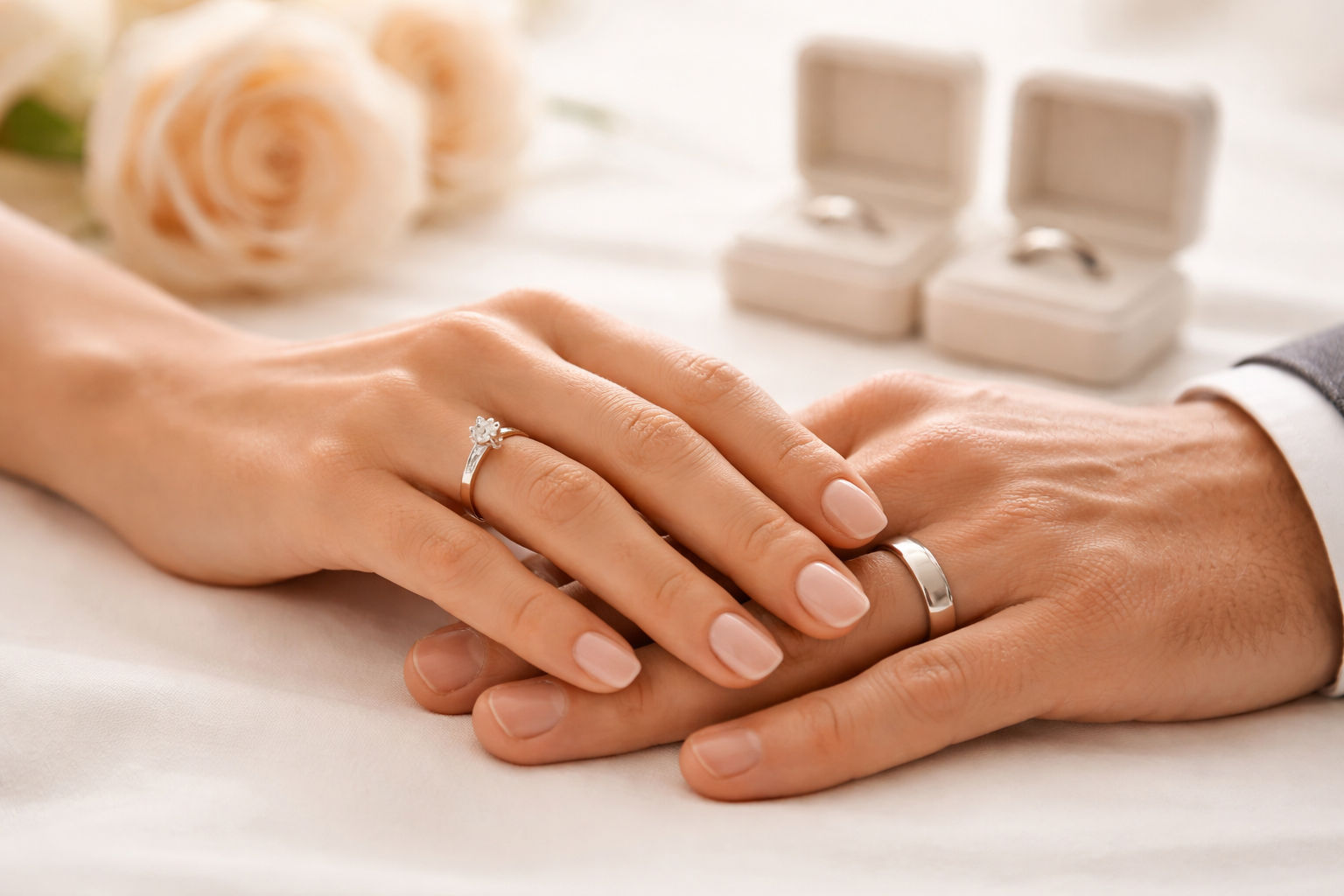
Confused about which hand or finger is “right”? You’re not alone.
Traditions, trends, and personal comfort can point in different directions, especially when you’re choosing the engagement ring finger for male and female wearers in a modern, culturally diverse world.
But ultimately, it all comes down to this: the most meaningful choice is the one that feels true to you.
Some still reference the old vena amoris meaning: the belief that the ring finger has a “vein of love” to the heart, but today, comfort, lifestyle, and self-expression lead the way.
This guide answers the most-asked questions and helps you choose a placement that fits your life; no rules required.
Choosing the Right Engagement Ring Finger for Male and Female
Finding the right engagement ring finger for male and female wearers depends on traditions, culture, comfort, and how the ring fits into daily life.
Some follow long-standing symbolism. Others choose what feels practical. Across India, Europe, and global trends, there’s no single rule.
The hand and finger you choose should reflect your routine, your relationship, and your meaning.
Here’s how placement differs for women, for men, and how the right material supports everyday wear.
Engagement Ring Finger for Female
For women, the most common placement is the left hand, fourth finger, guided by the classic vena amoris meaning that links the ring to the heart.
In India, many women wear their engagement ring on the right hand for cultural significance, family traditions, or comfort.
Younger brides often choose based on styling preferences, such as how their engagement and wedding rings will sit together later.
Both left and right-hand choices are equally accepted, and the best option is simply the one that feels natural.
Engagement Ring Finger for Male
The traditional engagement ring placement for men mirrors women: the left-hand ring finger.
But habits have changed. In India and several European regions, the men’s engagement ring hand is often the right hand, chosen for cultural familiarity or practicality.
If you’re wondering which finger to wear a male engagement ring, the ring finger is the standard, but left-handers, active professionals, and men who prioritize comfort often switch hands. The key is choosing a placement that fits your daily movement and personal style.
Best Materials for Male and Female Engagement Rings
Hand choice also influences the metal you pick.
Rings worn on the dominant hand benefit from sturdier materials like platinum or solid gold, which resist knocks and retain shine.
Those who prefer slim stacks often choose lighter gold tones that pair easily with future bands.
Lab-grown diamond settings offer durability and clarity for both men and women, especially when choosing pieces meant for long-term, everyday wear.
How to Choose the Right Engagement Ring Finger for Male and Female
Once you understand the cultural traditions, the next step is choosing what truly works for you: your story, your comfort, and your routine.
There’s no single “right” engagement ring finger for male and female wearers, only what feels natural to you.
Start with symbolism: If tradition matters, the left hand’s fourth finger is timeless. It’s the one most often associated with the vena amoris, the ancient “vein of love,” and it makes stacking engagement and wedding bands easy later.
Then think of comfort: If you’re left-hand dominant or use your hands constantly, wearing your ring on the right can feel more natural and secure. For many in India, that’s also a familiar cultural choice; proof that practicality and tradition can blend beautifully.
Finally, consider visibility: Some prefer the hand where the ring catches the light more often: on a keyboard, a steering wheel, or simply when you reach out. What matters most is how it feels and how you connect with it every day.
And whichever hand you choose, the ring itself should tell your story.
For the left hand: the Chiseled Brilliance Solitaire Ring sits low and close to the finger, perfect for stacking and everyday elegance.
For the right hand: the Past, Present, Future 3-Stone Ring carries three IGI-certified lab-grown diamonds, a design that symbolizes your journey and shines wherever you wear it.
Whether you lean left or right, choose the hand that fits your rhythm. In the end, it’s about how the ring feels when it becomes part of your daily life.
Modern Trends for the Engagement Ring Finger for Males and Females
The way couples wear engagement rings has evolved far beyond tradition.
It’s no longer about following rules or assigning fingers by gender; it’s about expression, comfort, and modern design.
Whether it’s the engagement ring finger for male or female, trends now focus on versatility, minimalism, and individuality that fit everyday life.
1. East-west and low-profile settings are redefining daily wear: Flat, bezel, and east-west settings are trending because they sit closer to the finger, don’t snag, and look intentional on either hand.
The east-west revival (thanks to recent celebrity buzz) makes rings feel modern without losing elegance, and it suits left or right wear equally for both partners.
2. Unisex silhouettes and minimalist stacks work on any hand: Clean bands, slim solitaires, and flush/gypsy-set stones read as gender-neutral and stack beautifully.
Couples often share a silhouette in different widths, so the engagement ring finger for males and females can match in look while fitting each person’s comfort.
3. Function-first design for active routines: Modern buyers choose profiles that move with them: comfort-fit interiors, tapered shanks, sturdy bezels, and flush-set diamonds.
As a man, if you’re wondering which finger to wear a male engagement ring, start with the ring finger on the non-dominant hand for comfort; if you’re very hands-on, a lower-profile setting or alternate hand is increasingly common.
4. Art-Deco lines, step-cuts, and toi-et-moi add personality: Beyond round solitaires, step-cut centers, toi-et-moi pairs, and vintage-leaning geometrics are mainstreaming, giving couples a distinctive look without extra height. These styles balance presence with practicality and pair well with contour bands.
5. Conscious luxury is the new default: Sustainability and transparency drive choices: lab-grown diamonds and hallmarked gold are becoming standard expectations, not nice-to-haves.
That shift supports everyday wear and value, exactly where Ethera’s IGI-certified stones and BIS-hallmarked gold sit.
Quick tip for men: The men’s engagement ring hand is typically the non-dominant one for comfort; the ring finger is the starting point, but many men experiment with right-hand wear or slightly wider bands for balance. Keep the profile low if you type, lift, or use tools daily.
Beyond the “Which Hand for Engagement Ring” Rule: A Modern Approach to Personal Style
Modern couples are reshaping what engagement rings represent. The focus is no longer on rules or rituals but on creating a piece that reflects their story.
For both the engagement ring finger for male and female wearers, the meaning comes from how the ring fits into daily life, not from following old expectations.
Instead of asking which hand for engagement ring, couples now think about what feels right for them.
Some mix metals like rose and white gold or platinum and yellow gold to celebrate their individuality. Others pair bold and minimal silhouettes, showing that two distinct styles can still feel perfectly balanced.
The idea of stacking has also evolved. The traditional engagement and wedding ring order has given way to more flexible styling. Couples now stack or separate their rings based on comfort, harmony, and expression rather than etiquette.
For some, the right hand feels practical. For others, the left still carries the emotional symbolism of shared connection. Both are equally meaningful, because the real tradition is the one you create together.
At Ethera, that spirit of freedom defines every design.
From sleek solitaires that speak through minimal design to contemporary bands that merge strength with sentiment, Ethera’s engagement rings are made for modern expression.
Each piece celebrates individuality, comfort, and commitment; crafted to feel personal, not prescribed.
Why Ethera Is the Right Choice for Your Engagement Ring
At Ethera, every engagement ring is designed for real, modern love; effortless, ethical, and entirely personal.
Each piece features IGI-certified lab-grown diamonds, identical in brilliance to mined ones but responsibly created for today’s conscious couples.
Metals are verified and hallmarked for purity, whether you choose yellow, white, or rose gold, or a sleek platinum finish.
Every design balances beauty with everyday comfort: low-profile solitaires, sculpted bands, and versatile silhouettes that fit naturally into daily life.
With transparent sourcing, sustainable materials, and timeless craftsmanship, Ethera makes luxury feel genuine and accessible.
Explore Ethera’s lab-grown engagement rings and find a design that reflects your story, crafted for comfort, conscience, and modern elegance.
Frequently Asked Questions About Engagement Ring Finger for Male and Female
1. Which hand is correct for the engagement ring finger for males and females in India?
In India, many couples wear engagement rings on the right hand, while the left-hand ring finger is common globally. The engagement ring finger for male and female wearers can be either, as long as it suits your culture, comfort, and daily routine.
2. Is it okay to wear an engagement ring on the right hand instead of the left?
Yes, it is okay to wear an engagement ring on the right hand. Your men’s engagement ring hand or women’s ring hand can be left or right. Focus on comfort, symbolism, and how securely the ring fits into your daily life.
3. What is the correct engagement and wedding ring order on the finger?
Traditionally, the wedding band sits closer to the hand, with the engagement ring stacked above it on the same finger, usually the left ring finger. Engagement ring finger for left-handers can still follow this order, or you can split the rings across both hands if that feels better.
4. Does Ethera certify each diamond and metal used in engagement rings?
Absolutely. Every Ethera engagement ring features an IGI-certified lab-grown diamond and metals that go through stringent checks. Their site states all jewellery undergoes a 40-step Diamond Quality Assurance and the gold is hall-marked for purity.