
Lab Grown Gold: The Science, Ethics, and Beauty of the Future of Jewelry
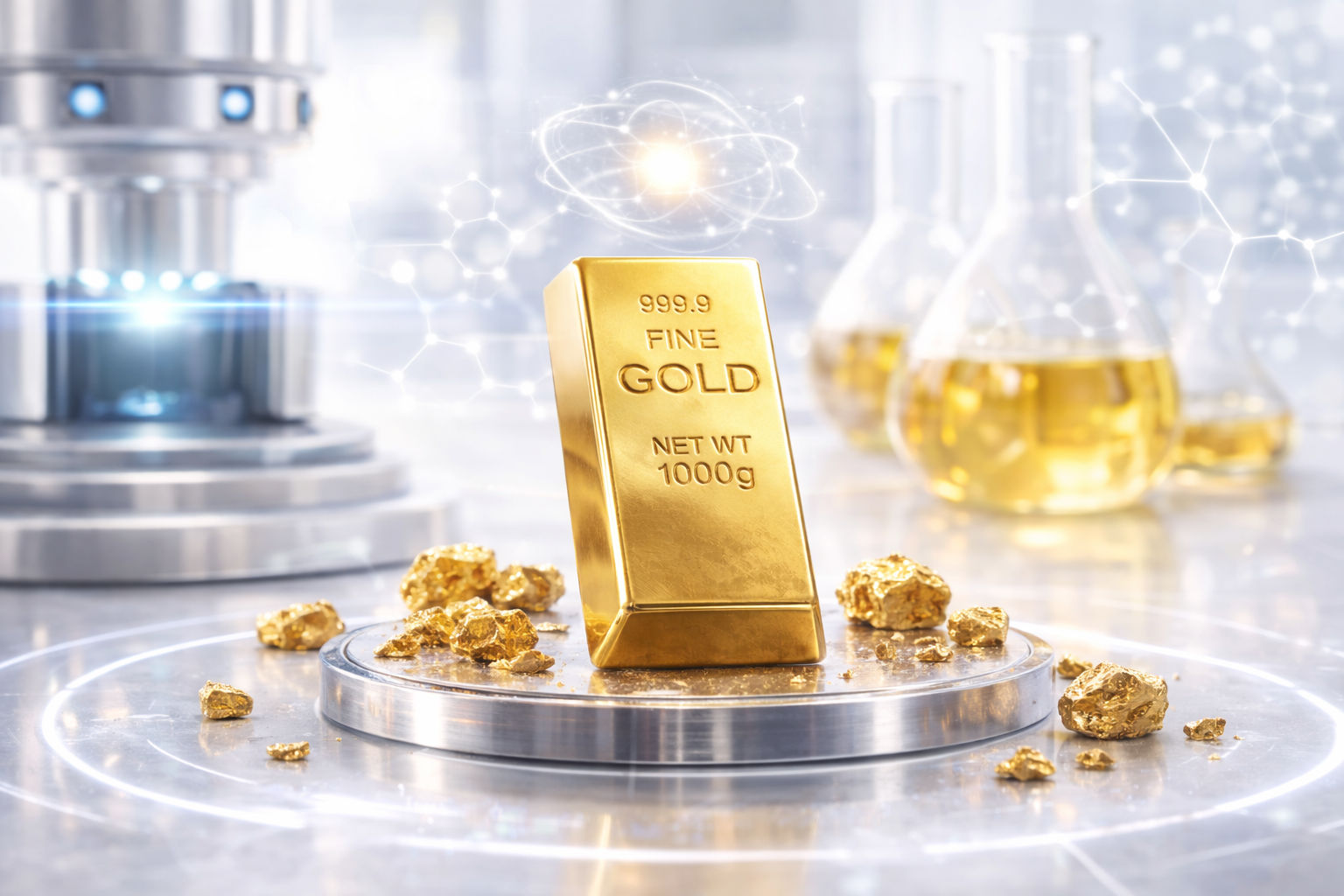
Imagine gold that’s not mined, but grown; crafted in controlled labs, verified from start to finish, and built with the same substance and shine as traditional options.
Lab grown gold is the next chapter of fine jewellery: real gold (Au) produced with precision, traceability and purpose.
With material integrity verified and eco-footprints shrinking, many are asking: is lab grown gold real gold?
The answer is yes, and as a genuine ethical gold alternative, it offers extraordinary consistency, refined control and a clear line of sight to its production.
In a world where sustainable gold production matters as much as beauty, lab grown gold represents more than a trend; it’s the evolution of jewellery craftsmanship.
This article breaks down the science, ethics and design possibilities of lab grown gold so you can understand how it compares to mined gold, why it’s gaining momentum, and how it fits into tomorrow’s jewellery landscape.
What Is Lab Grown Gold (And Is It Real Gold)?
Lab grown gold is real gold; the same element, Au, with the same color, weight, and brilliance found in nature.
The difference lies not in the metal itself but in how it’s sourced.
Instead of being mined from the earth, it’s produced or refined in a controlled environment using advanced scientific methods that replicate nature’s results with greater precision.
Chemically, there’s no distinction between lab grown gold vs mined gold.
Both have identical chemical structures, which means they melt, conduct, and wear in exactly the same way.
What changes is the origin: one comes from geological extraction, the other from modern innovation.
It’s also important to understand what lab grown gold is not. It isn’t gold plated or imitation.
Gold plating means applying a thin layer of gold over a base metal like brass or silver; a surface treatment that eventually fades.
Lab grown gold, in contrast, is solid gold through and through. It can be alloyed into 18K or 14K jewelry just like traditional gold, with the same durability and shine.
Because it’s created under controlled conditions, every gram of lab grown gold begins with verified purity, making it a true ethical gold alternative.
It reflects the same intrinsic value as mined gold, while aligning with modern priorities like sustainable gold production and transparency in sourcing.
How Lab Grown Gold Is Made: The Synthetic Gold Process Explained
Lab grown gold begins not in a mine, but in a lab built for precision.
Every step of the synthetic gold process focuses on purity, traceability, and care for the planet; values shaping the new era of fine jewelry.
1. Preparing the foundation: Producers start with responsibly sourced or recycled gold feedstock, ensuring no mining or exploitation is involved. This raw material forms the base for the lab created gold technology that follows.
2. Refining through science: Electrochemical and chemical refining isolate elemental gold (Au) in its purest form. Each particle is separated and redeposited until it matches the same lab gold vs mined gold chemical structure found in nature; real gold, recreated with intention.
3. Alloying for beauty and strength: Once refined, the pure gold is blended with other metals to create 18K or 14K formulations, balancing color and durability. This is how lab grown gold purity meets real-world design needs, giving jewelers the flexibility to craft in yellow, white, or rose tones.
4. Testing and traceability: Every batch is tested for purity, hardness, and color response. Results are documented to guarantee consistency, creating the kind of transparent sourcing modern buyers expect from an ethical gold alternative.
In the end, the result is still gold: identical in composition, beauty, and brilliance, but crafted through innovation instead of extraction.
That’s what makes lab grown gold both real and responsible, a material that reflects the same luxury with a lighter footprint.
Lab Grown Gold vs Mined Gold: Science, Sustainability, and Ethics
When you compare lab grown gold with traditionally mined gold, the difference isn’t simply one of origin; it lies in the measurable impacts from extraction through end use.
While both materials share the same elemental makeup, their production paths diverge significantly, which matters for both environment and ethics.
Below is a clean comparison that highlights where they align, and where they don’t.
Aspect | Mined Gold | Lab Grown Gold |
Chemical Structure | Same element (Au) as any jewellery-grade gold; variability in purity depending on ore. | Identical Au structure achieved in controlled environment; supports consistent lab grown gold purity. |
Land & Ecosystem Impact | Extensive land disruption, deforestation, toxic tailings (mercury, cyanide). | Minimal surface disturbance; production in enclosed facilities with potential for closed-loop systems; contributes to sustainable gold production. |
Water & Emissions | High water use, heavy fuel consumption, significant greenhouse-gas output. | Lower water and emissions when powered by renewable energy; better resource efficiency in many cases. |
Traceability & Ethics | Variable, artisanal mining and informal supply chains raise human-rights and labour-risk issues. | Production is documented with a full chain of custody; ideal as an ethical gold alternative for modern buyers. |
Scalability & Future Outlook | Finite deposits, increasing cost, growing impact per ounce produced; under pressure. | Technology-driven scaling allows for improved efficiency and innovation, signalling a different path forward. Future of gold mining may shift accordingly. |
By laying out this comparison, you can see how both materials deliver the same precious metal, but with markedly different footprints and ethical dimensions.
For jewellery buyers who prioritise transparency, reduced environmental impact, and responsible luxury, the choice of lab grown gold becomes a meaningful one; an option that keeps the gold substance unchanged while evolution occurs in process and purpose.
Understanding How Lab Grown Gold Compares in the Real World
After looking at how mined and lab grown gold compare on purity, sourcing, and environmental impact, it becomes clearer why the conversation around gold is changing.
Both forms are still real gold, but the paths that lead to them come with different realities buyers should know.
Challenges of Mined Gold Today
Traditional mining remains the foundation of the global gold supply, yet it faces growing pressure.
Land disruption, high water use, and the complexity of tracing ore back to responsible sources make it difficult to guarantee fully ethical origins.
As deposits become harder to access, mining often demands more resources, creating long-term environmental and economic strain.
Advantages of Lab Grown Gold
Lab grown gold addresses many of these pressure points by shifting production into controlled environments.
Because refining happens with verified feedstock and documented processes, purity and consistency are easier to maintain.
Water use and emissions can be reduced, and every batch carries a clear chain of custody.
For buyers who prioritise transparency, sustainability, and modern craftsmanship, this approach offers meaningful benefits.
Limitations of Lab Grown Gold
Lab grown gold is not without its limitations.
Wider market adoption is still growing, which means availability can vary depending on the jeweller.
Some consumers also associate long-term value with the idea of mined origin, influencing perception rather than performance.
And while lab grown gold reduces dependency on mining, it doesn’t eliminate it entirely because recycled gold is still part of the refining base.
How Lab Grown Gold Complements Diamonds and Modern Jewelry Design
Lab grown gold brings precision, consistency, and creative freedom to modern jewelry design.
Because its purity and alloy composition are tightly controlled, designers can craft pieces with flawless color matching, predictable strength, and clean structural lines.
This allows for bolder geometry, slimmer silhouettes, and more innovative forms without worrying about mineral inconsistencies found in mined gold.
When paired with lab grown diamonds, the synergy becomes even more meaningful.
Both materials reflect the same values of transparency, traceability, and ethical craftsmanship.
Together, they create jewelry that is visually harmonious, structurally reliable, and aligned with modern expectations around responsibility.
Ethera’s Prime Edge Ring is a perfect example of this balance.
Its clean, architectural profile, available in yellow, white, or rose gold, highlights how lab grown gold supports sharp definition while the precision-cut lab-grown diamond adds refined brilliance.
The design shows how contemporary jewelry can merge ethics, engineering, and elegance seamlessly.
As consumers embrace cleaner materials and conscious production, lab grown gold allows designers to push boundaries while keeping every piece grounded in authenticity and intention.
Practical Considerations for Lab Grown Gold
Choosing lab grown gold isn’t just an ethical decision; it’s a practical one.
From everyday wear to long-term value, its performance equals traditional gold in every way that matters, while offering unmatched transparency and consistency.
Here’s what to consider before adding it to your collection:
Purity and Strength
Every batch of lab grown gold begins with controlled refining, resulting in consistent purity levels before alloying into 18K or 14K compositions.
This ensures both beauty and durability.
Because lab grown gold purity is verified through traceable processes, you get the same strength, luster, and longevity as mined gold, without impurities introduced during extraction.
Resale and Long-Term Value
The resale value of lab grown gold reflects its true material worth because it’s chemically identical to mined gold.
Its value depends on purity, weight, and hallmarking; never its origin.
With proper certification, lab grown gold purity and karat are recognized just like traditional pieces, allowing it to be exchanged or refined at standard market rates.
As the demand for sustainable gold production grows, more jewelers are embracing it as a reliable, ethical, and enduring choice for modern fine jewelry.
Maintenance and Care
Cleaning, polishing, or resizing follow the same process as traditional gold. Simply avoid harsh chemicals, store separately, and clean gently with mild soap and water.
The durability of lab grown gold alloys ensures minimal wear, even for daily use.
Environmental and Ethical Benefit
While it performs like mined gold, its creation carries a lower environmental footprint.
Controlled refining reduces waste, water use, and emissions, supporting sustainable gold production while maintaining uncompromised craftsmanship.
In short, lab grown gold combines purity, practicality, and purpose. It’s real gold, refined for modern living and built to last, ethically and beautifully.
Why Ethera Is the Right Choice for Modern Jewelry
At Ethera, fine jewelry is redefined through innovation, integrity, and timeless design.
Each piece is crafted with IGI-certified lab grown diamonds and precious metals that embody the same principles shaping the future of sustainable jewelry: traceability, responsibility, and conscious craftsmanship.
From refined solitaires to modern statement rings, Ethera’s creations balance science with artistry, giving you luxury that looks good and feels right.
Every design reflects a commitment to ethical sourcing, enduring beauty, and everyday wearability, a modern evolution of what fine jewelry can be.
If you value purity, purpose, and modern craftsmanship, explore Ethera’s fine jewelry; consciously created for today, designed to shine for a lifetime.
Frequently Asked Questions About Lab Grown Gold
Will lab grown gold tarnish differently from mined gold?
No. Lab grown gold is still elemental Au and oxidises the same way traditional gold does. If it’s made in 18K or 14K alloy, normal care rules apply: cleaning gently, avoiding harsh chemicals just like mined-gold jewellery.
Does lab grown gold qualify for hallmarking and jewellery certifications in India?
Yes, lab grown gold can receive BIS hallmarking in India once it meets purity standards and alloy specifications. The origin (lab vs mined) doesn’t prevent hallmarking; key is certified purity, alloy mix, and proper stamp for buyer assurance.
Can lab grown gold be recycled or reused like mined gold?
Yes. Lab grown gold can be melted, refined, and reused just like mined gold without losing purity or value. Its controlled origin and verified composition even make recycling more efficient, supporting a circular, sustainable gold production cycle.