
Are lab grown diamonds real diamonds? The honest answer
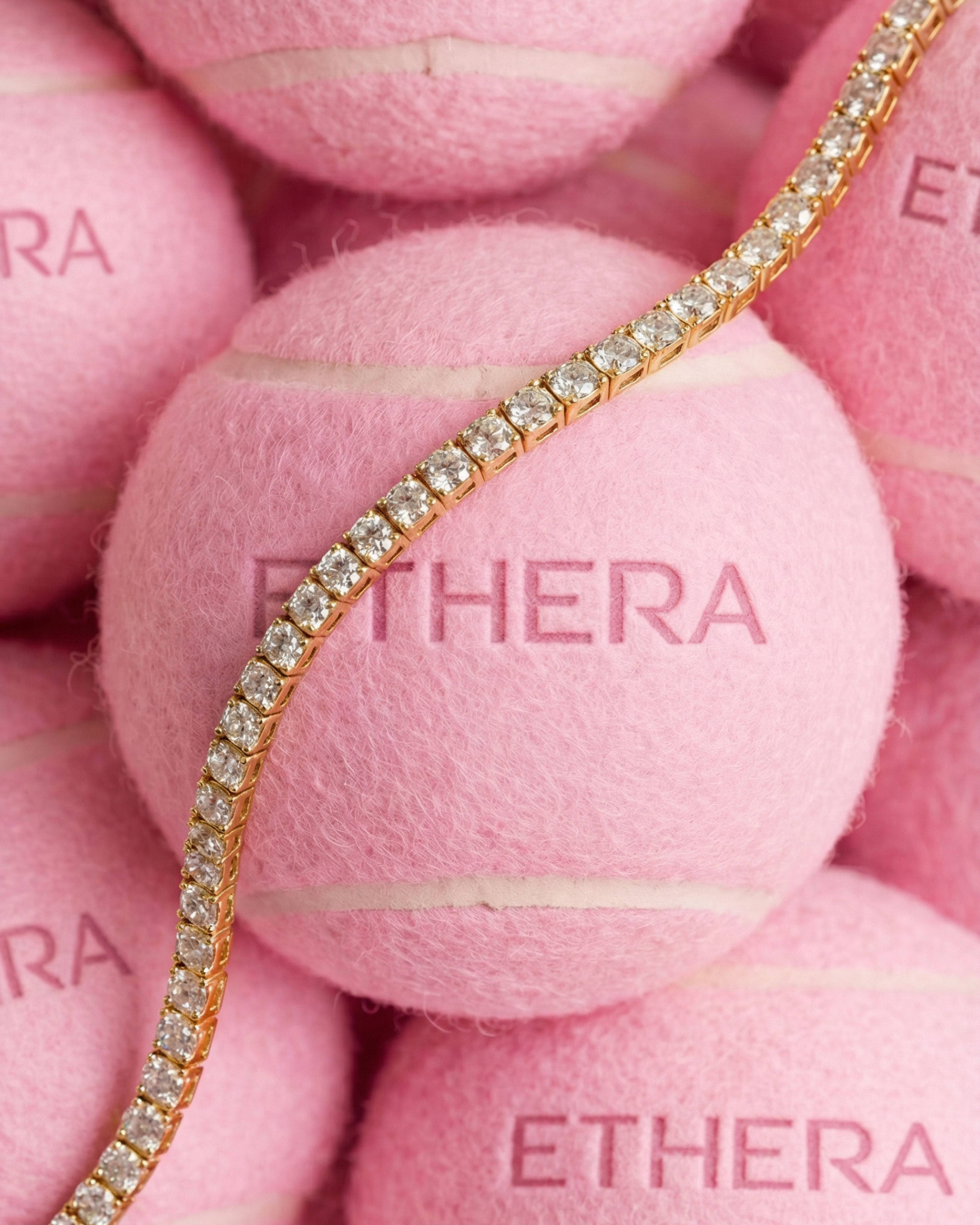
Yes, lab grown diamonds are real diamonds. If you’re asking, are lab grown diamonds real, the answer comes down to their composition: they have the same carbon crystal structure, physical properties and sparkle as mined diamonds.
The difference isn’t what they are. It’s where they come from.
A mined diamond forms beneath the earth over an extremely long period before it’s extracted. A lab grown diamond develops in a controlled environment using technology that recreates the conditions in which diamonds form. Once grown, both are cut, polished and graded using the same basic criteria.
That doesn’t mean every lab grown diamond is equally good, just as every mined diamond isn’t equally good. Cut, colour, clarity, certification and craftsmanship still matter. The honest answer is more useful than a simple yes, so let’s look at what “real” actually means when you’re buying diamond jewellery.
Are lab grown diamonds real according to science?
Lab grown diamonds are scientifically classified as diamonds because they’re made from crystallised carbon and share the essential properties of mined diamonds.
A diamond isn’t defined by the location where it formed. It’s defined by its material structure. Both mined and lab grown diamonds consist primarily of carbon atoms arranged in a rigid crystal lattice. That structure is what gives a diamond its hardness, brilliance and ability to reflect light.
This is the difference between a lab grown diamond and a diamond imitation.
Cubic zirconia, glass and moissanite can resemble diamonds, but they’re different materials with different chemical and optical properties. A lab grown diamond isn’t designed merely to look like a diamond. It is a diamond created through a different process.
You generally can’t identify a lab grown diamond by looking at it with the naked eye. Trained gemologists use specialised equipment to study growth patterns and other microscopic features that reveal whether a diamond formed underground or in a laboratory.
What is the difference between lab grown and mined diamonds?
The main difference between lab grown and mined diamonds is their origin, not their appearance or basic composition.
Mined diamonds form naturally below the earth’s surface under intense heat and pressure. They’re brought to the surface through geological activity and later extracted through mining.
Lab grown diamonds are created in controlled facilities using advanced technology. The two main growing methods are High Pressure High Temperature, usually called HPHT, and Chemical Vapour Deposition, known as CVD.
Feature | Lab grown diamond | Mined diamond |
Material | Crystallised carbon | Crystallised carbon |
Appearance | Same visual properties | Same visual properties |
Hardness | 10 on the Mohs scale | 10 on the Mohs scale |
Formation | Controlled laboratory environment | Beneath the earth |
Cutting and polishing | Cut and polished like mined diamonds | Cut and polished like lab grown diamonds |
Grading | Evaluated using the 4Cs | Evaluated using the 4Cs |
Price | Usually lower for a comparable specification | Usually higher for a comparable specification |
Identification | Requires specialised testing | Requires specialised testing |
The Mohs scale measures a material’s resistance to scratching. Diamonds sit at 10, the highest position on that scale, whether they were grown in a laboratory or extracted from the earth.
You may still see differences between individual stones, but those differences relate to quality. One diamond may have a better cut, fewer inclusions or a warmer colour than another. Origin alone doesn’t tell you whether a diamond will look beautiful.
How are lab grown diamonds made?
Lab grown diamonds are produced by recreating the heat, pressure or carbon-rich conditions needed for diamond crystals to grow.
The HPHT method uses high pressure and high temperature to imitate the environment in which diamonds form underground. A small diamond seed is placed with a carbon source inside specialised equipment. The carbon melts and gradually crystallises around the seed.
The CVD method works differently. A diamond seed is placed in a sealed chamber filled with carbon-rich gas. Energy breaks down the gas, allowing carbon atoms to settle on the seed in thin layers. Over time, these layers build into a diamond crystal.
The rough diamond is then cut and polished by skilled professionals. The growing process may be technical, but the finished diamond still depends heavily on human decisions. Poor proportions can reduce sparkle, while precise cutting can make light travel through the stone beautifully.
This means “lab grown” doesn’t automatically mean “high quality”. You still need to examine the cut, certification and overall finish.
Do lab grown diamonds look different from mined diamonds?
Lab grown diamonds don’t normally look different from mined diamonds without specialised equipment.
Both can be colourless or carry slight traces of colour. Both can contain inclusions, which are internal characteristics formed during growth. Both can be cut into shapes such as round, oval, emerald, pear, cushion and princess.
Their sparkle also follows the same principles. Brilliance depends largely on how well the diamond has been cut. A well-cut lab grown diamond can appear brighter than a poorly cut mined diamond, even if both have similar carat weights.
The setting affects what you notice too. Metal colour, prong placement, diamond shape and surrounding stones can all change how large, bright or warm a centre diamond appears.
When you compare jewellery, don’t ask only whether the diamond is lab grown or mined. Ask whether the design is balanced, whether the diamond is well cut and whether the piece suits the way you intend to wear it.
Are lab grown diamonds fake or synthetic?
Lab grown diamonds aren’t fake diamonds, but the word “synthetic” may appear in technical or regulatory language to describe their laboratory origin.
In everyday conversation, “synthetic” often suggests an imitation. That’s why it can be misleading when used without context. A lab grown diamond doesn’t imitate the chemical structure of a diamond. It has that structure.
The clearer distinction is:
A lab grown diamond is a real diamond grown in a controlled environment.
A mined diamond is a real diamond formed beneath the earth.
A diamond simulant is a different material that resembles a diamond.
Moissanite is a popular example of a diamond simulant. It has strong sparkle and can be attractive in its own right, but it isn’t a diamond. Cubic zirconia is another simulant and is softer than diamond.
The language used by a jeweller should make the origin clear. A responsible brand won’t present a lab grown diamond as a mined diamond, or blur the distinction between diamonds and simulants.
Do lab grown diamonds have the same durability?
Lab grown diamonds have the same fundamental hardness and everyday durability as mined diamonds.
Diamond is the hardest naturally occurring material on the Mohs scale, which makes it highly resistant to scratching. This is one reason diamonds work well in rings, earrings, pendants and bracelets designed for frequent wear.
Hardness doesn’t make any diamond indestructible, though. A diamond can chip if it receives a forceful impact at a vulnerable point, particularly around sharp corners or thin edges. Pear, marquise and princess-cut diamonds may need protective prongs around their pointed areas.
The jewellery setting matters as much as the stone. Loose prongs, weak clasps and poorly made mounts can create problems even when the diamond itself is durable.
For regular wear, have your jewellery checked periodically and avoid wearing it during activities where it could receive a hard knock. Clean it gently to remove oils, soap and residue that can temporarily dull its sparkle.
Are lab grown diamonds certified?
Lab grown diamonds can be independently graded and certified by recognised gemological laboratories.
A grading report records the diamond’s specifications, usually including carat weight, colour, clarity and cut-related information. These are commonly known as the 4Cs.
Carat measures weight, not visual size. Colour describes how colourless or tinted the diamond appears. Clarity assesses internal and external characteristics. Cut examines how well the stone’s proportions and facets handle light.
Certification helps you verify what you’re buying, but it shouldn’t replace looking at the jewellery itself. Two diamonds with similar grades can still appear different because of proportions, shape and facet pattern.
For jewellery featuring a significant diamond, check whether the stone has an identification number and a report from a recognised gemological institution such as IGI. The report should clearly state that the diamond is laboratory grown.
Ethera uses IGI-certified lab grown diamonds, along with BIS-hallmarked gold and multiple quality checks, so the origin and specifications are clearly documented rather than hidden behind vague descriptions.
Why do lab grown diamonds usually cost less?
Lab grown diamonds usually cost less because their production and supply process differs from the extraction, distribution and rarity structure of mined diamonds.
The lower price doesn’t mean the material is glass, lower in hardness or less “real”. It means you can often purchase a diamond with a larger carat weight or stronger specifications for less than a comparable mined stone.
That price difference can give you more room to focus on design. You might choose a more distinctive shape, add side stones or select a piece with more diamond coverage while staying within the same budget.
Still, buying purely for maximum carat weight can backfire. A bigger diamond with poor proportions may look dull, while a smaller diamond with an excellent cut can appear lively and balanced.
It helps to set your priorities before shopping:
Choose a design you’ll wear regularly.
Check the cut and overall appearance.
Confirm certification and diamond origin.
Inspect the craftsmanship and setting.
Compare the complete jewellery price, not just carat weight.
A good diamond purchase isn’t a race to own the largest stone visible from across the room. It’s a balance between beauty, comfort, quality and price.
Do lab grown diamonds have resale value?
Lab grown diamonds can have resale or exchange value, but you shouldn’t buy them as a financial investment.
Jewellery resale depends on several factors, including the brand’s policy, current market conditions, the gold value, diamond specifications and the condition of the piece. Mined diamonds can also resell for less than their original retail price, so a high purchase price doesn’t automatically guarantee a strong return.
Before buying, read the jeweller’s exchange and buyback terms carefully. Check whether the policy applies to the diamond, the gold or the complete piece. Also check whether deductions, minimum holding periods or documentation requirements apply.
The more useful question is whether the jewellery offers good value for the life you’ll get from it. A diamond pendant worn several times a week may be more worthwhile than a supposedly prestigious piece that remains in a locker.
Buy jewellery because you love wearing it. Treat any future exchange value as a policy benefit, not the main reason for choosing the diamond.
How can you tell whether a lab grown diamond is good?
A good lab grown diamond combines attractive light performance, appropriate grading, reliable certification and a well-made setting.
Start with the cut. For round diamonds, cut grade has a major effect on brightness and sparkle. For fancy shapes such as oval, pear and emerald, look at the stone in person or through clear videos because the outline and facet pattern aren’t fully explained by a certificate.
Next, consider colour and clarity. You don’t always need the highest grade. Many inclusions aren’t visible without magnification, and some slight colour differences become difficult to notice once the diamond is set.
Check these points before buying:
What to check | Why it matters |
Independent certification | Confirms origin and stated specifications |
Cut and light return | Determines how bright and lively the diamond looks |
Visible inclusions | Helps you avoid flaws noticeable without magnification |
Diamond shape | Affects appearance, style and visual size |
Setting quality | Keeps the diamond secure and comfortable |
Gold hallmark | Confirms the stated purity of the metal |
Exchange and warranty terms | Protects you after the purchase |
Don’t let a long list of specifications distract you from the simplest test. Does the diamond look bright, balanced and beautiful in the jewellery you’re considering?
The honest answer is simpler than the debate
Lab grown diamonds don’t need to borrow credibility from mined diamonds. They stand on their own as real diamonds with a different origin.
The choice between lab grown and mined is personal. You may care about price, origin, design freedom, environmental considerations or simply how the finished jewellery looks on you. What matters is that the seller explains the difference clearly and gives you enough information to choose without pressure.
A real diamond should come with real transparency. Everything else is just sparkle around the edges.
Frequently asked questions
Are lab grown diamonds real diamonds or fake?
Lab grown diamonds are real diamonds, not imitations. They’re made from crystallised carbon and have the same chemical structure, hardness and optical properties as mined diamonds. The difference is their origin: lab grown diamonds are created in controlled facilities, while mined diamonds form naturally beneath the earth.
Can a jeweller tell if a diamond is lab grown?
A jeweller usually needs specialised testing equipment to reliably identify whether a diamond is lab grown or mined. The two can look identical to the naked eye and under ordinary magnification. A grading certificate can also confirm origin and should clearly describe the stone as laboratory grown.
Are lab grown diamonds as durable as mined diamonds?
Yes, lab grown diamonds are as hard and durable as mined diamonds because both share the same crystal structure. They score 10 on the Mohs hardness scale. However, either type can chip after a strong impact, particularly around pointed corners, so a secure setting and sensible care still matter.
Do lab grown diamonds sparkle like real diamonds?
Yes, lab grown diamonds have the same potential for brilliance and sparkle as mined diamonds. The amount of sparkle depends mainly on cut quality, proportions and facet arrangement, not whether the stone formed underground or in a laboratory. A well-cut lab grown diamond can look exceptionally bright.
Are lab grown diamonds certified in India?
Yes, lab grown diamonds sold in India can be graded by recognised gemological institutions such as IGI. The grading report should state that the diamond is laboratory grown and list details such as carat, colour, clarity and measurements. You should also check that the gold jewellery carries a BIS hallmark.
Why are real lab grown diamonds cheaper?
Lab grown diamonds are generally cheaper because they’re produced through a controlled and increasingly efficient process rather than mined and distributed through the traditional diamond supply chain. Their lower price isn’t evidence that they’re fake. It reflects differences in production, availability and market pricing.
Is it worth buying lab grown diamond jewellery?
Lab grown diamond jewellery can be worth buying when you want a real diamond, strong design options and more flexibility within your budget. Focus on cut, certification, craftsmanship and how often you’ll wear the piece. It’s best purchased as jewellery to enjoy, not as a financial investment.
Can lab grown diamonds be used in engagement rings?
Yes, lab grown diamonds are suitable for engagement rings because they have the same hardness, brilliance and visual properties as mined diamonds. They’re available in all popular shapes and can be independently certified. Choose a secure setting and a design that fits your partner’s lifestyle and personal style.