
Gen Z is buying jewellery differently in India (and brands are catching up)
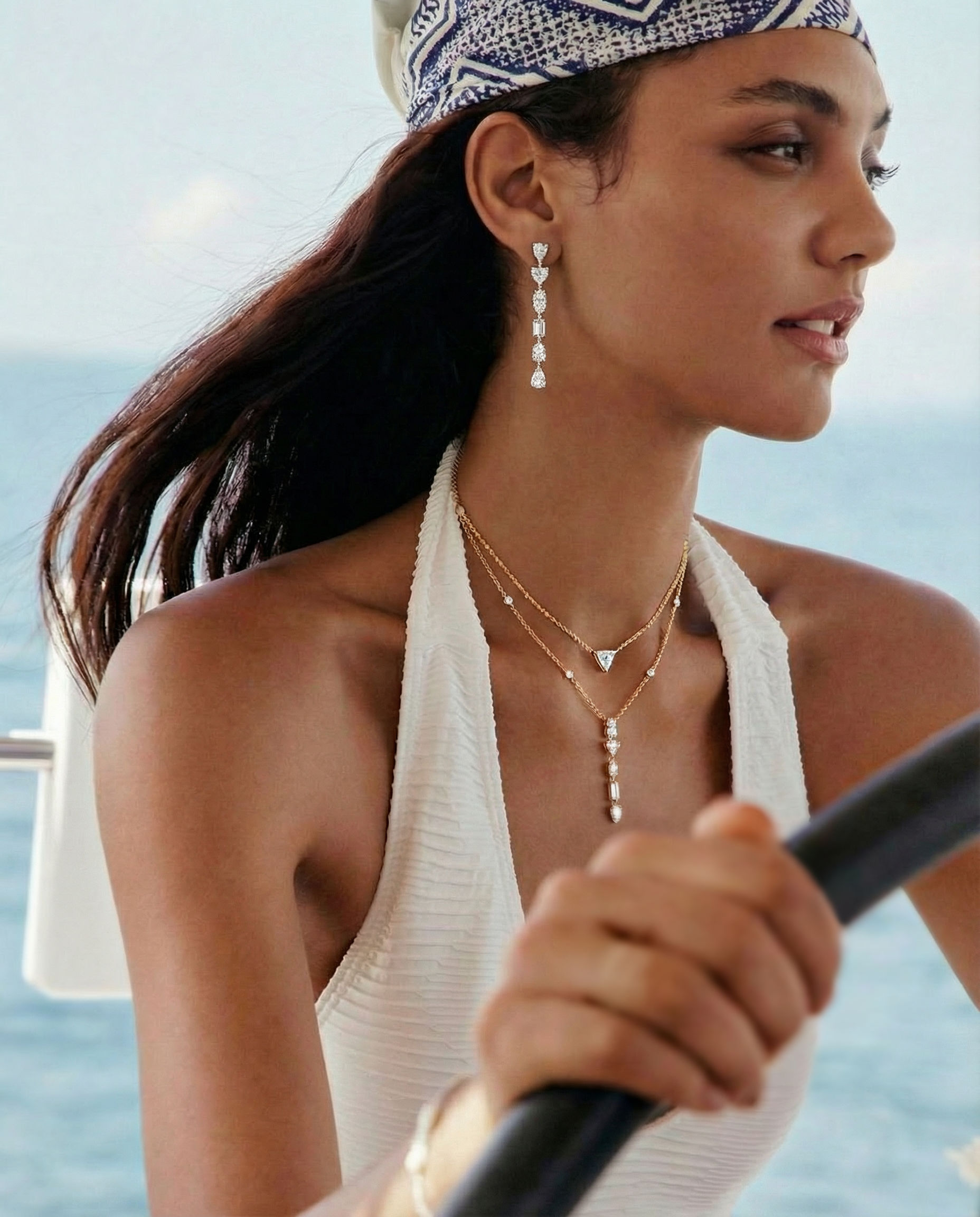
Gen Z is rewriting the rules of jewellery shopping. See how lab grown diamonds, values, and personal style are shaping India's newest buyers.
The biggest shift in jewellery right now isn't a new design trend. It's who's buying and how they're making decisions. When it comes to lab grown diamonds, Gen Z trends show a generation that cares less about tradition, more about personal style, and expects brands to earn trust rather than assume it.
For decades, jewellery purchases followed a familiar script. Families influenced decisions, occasion-led buying dominated, and brand prestige often mattered as much as the product itself. The Gen Z shopper is changing that script. She's discovering jewellery on social media, researching independently, comparing brands across tabs, and asking questions previous generations rarely asked.
The result isn't just a different customer. It's an entirely different way of shopping.
Gen Z trends are changing how jewellery is discovered
Gen Z trends show that discovery now happens long before someone walks into a store.
For many women in their twenties, jewellery inspiration begins with a saved Instagram post, a creator's styling video, or a Pinterest board built over months. Instead of searching for jewellery because a wedding or anniversary is approaching, they're often finding pieces because they like the way they look with an outfit, a mood, or a version of themselves they want to express.
This changes the role jewellery plays in everyday life. Rather than being reserved for milestones, it becomes part of daily style. A ring worn to work, a tennis bracelet layered with a watch, or diamond studs that stay on through every plan in the calendar all fit naturally into how Gen Z thinks about dressing.
Brands have noticed. Collections are becoming more versatile, styling-focused, and designed around real-life wear rather than occasional use.
Lab grown diamonds are becoming part of the conversation
Lab grown diamonds are gaining attention because they align with how younger shoppers evaluate value.
A lab grown diamond is a real diamond that is chemically, physically, and visually identical to a mined diamond. The difference is that it's created in a controlled environment rather than extracted from the earth.
For Gen Z, the appeal often goes beyond the science. The decision is connected to flexibility. When shoppers compare options, many find that choosing a lab grown diamond allows them to prioritise design, size, or craftsmanship without feeling like they're sacrificing quality.
This generation tends to research before buying. They watch videos, read reviews, compare specifications, and understand what they're purchasing. Because information is easier to access than ever before, assumptions carry less weight than facts.
That's one reason conversations around lab grown diamonds have become much more mainstream among younger buyers.
The Gen Z shopper values individuality over tradition
The Gen Z shopper is more likely to buy jewellery that reflects personal identity than jewellery that follows expectations.
Previous generations often approached jewellery through a set of established categories. Engagement jewellery looked a certain way. Everyday jewellery looked another way. Luxury was tied to specific styles and signals.
Gen Z has blurred those boundaries.
You might see someone wearing an engagement-style solitaire as a fashion ring. You might see mixed metals, asymmetrical earrings, bold stacking combinations, or pieces chosen purely because they feel interesting. The question is no longer "What are you supposed to wear?" but "What feels like you?"
This shift helps explain why unique grown diamond designs are attracting attention. Distinctive settings, unexpected silhouettes, and modern interpretations of classic jewellery often resonate more strongly than conventionally safe choices.
The purchase becomes a form of self-expression rather than compliance with a category.
Business ethics and social responsibility influence buying decisions
Business ethics and social responsibility have become meaningful factors in how younger consumers evaluate brands.
That doesn't mean every purchase is driven by ethics alone. Design is still a priority. A beautiful piece of jewellery still often attracts attention before a sustainability report does.
What has changed is that Gen Z expects transparency once interest exists.
They're more likely to ask where materials come from, how products are made, what a company stands for, and whether its actions match its messaging. They can usually spot vague marketing language quickly, and they're comfortable moving on when answers feel unclear.
This doesn't apply only to jewellery. The same behaviour appears across fashion, beauty, technology, and lifestyle categories.
For brands, the lesson is simple. Trust is no longer built through reputation alone. It's built through information, transparency, and consistency.
Gen Z shops differently because information is everywhere
Gen Z shops differently because product knowledge is no longer controlled by brands.
A generation ago, much of what customers knew came directly from salespeople, advertisements, or printed catalogues. Today, information comes from dozens of sources before a purchase even enters the consideration stage.
A typical jewellery buyer might watch comparison videos, read customer reviews, browse Reddit discussions, check creator recommendations, visit brand websites, and compare prices within the same evening.
That level of access changes consumer behaviour.
Traditional Jewellery Journey | Gen Z Jewellery Journey |
Brand discovery through advertising | Brand discovery through social content |
Store visit early in journey | Research happens first |
Trust built through legacy | Trust built through transparency |
Occasion-led purchases | Style-led purchases |
Limited product comparison | Extensive comparison before buying |
The difference isn't that Gen Z is harder to sell to. It's that they're harder to convince without evidence.
Brands that educate rather than persuade often perform better with this audience.
Jewellery is becoming an everyday purchase rather than a milestone purchase
Jewellery is increasingly being viewed as part of personal style rather than something reserved for major life events.
This doesn't mean engagement rings, wedding jewellery, and celebration purchases are disappearing. Those categories remain important.
What's changing is the frequency and motivation behind buying.
Many young women now purchase jewellery to mark personal achievements, career milestones, birthdays, travel memories, or sometimes no specific reason at all. The reward doesn't need external validation. Wanting the piece can be enough.
That mindset creates opportunities for brands that understand everyday luxury.
Instead of speaking only to life's biggest moments, they can become part of the smaller moments that happen every week.
Why brands are adapting to Gen Z trends
Brands like Ethera are adapting to Gen Z trends because consumer expectations are evolving faster than traditional jewellery models.
The brands attracting younger audiences tend to share a few characteristics. Their communication feels transparent. Their photography feels real rather than overly staged. Their products fit into everyday wardrobes. Their websites answer questions clearly. Their collections allow for personal interpretation.
Most importantly, they understand that modern consumers want information and inspiration at the same time.
If you're shopping for jewellery today, you're probably looking for more than a product. You're looking for confidence in the decision behind it.
That's where brands like Ethera fit naturally into the conversation. By focusing on contemporary design and real lab grown diamonds made in controlled environments rather than extracted from the earth, the emphasis stays on what younger buyers increasingly value: great design, informed choices, and jewellery that feels relevant to the life they're actually living. Browse the entire collection here.
The future of jewellery belongs to informed buyers
The future of jewellery isn't being shaped by a single trend, metal, or diamond category. It's being shaped by a generation that asks better questions.
Gen Z isn't rejecting jewellery traditions entirely. They're deciding which traditions still make sense and which ones don't. They're researching before buying, choosing based on personal taste, and expecting brands to be clear about what they're offering.
That shift may feel new, but it's creating something surprisingly timeless: purchases made with intention.
FAQs
Are lab grown diamonds popular among Gen Z in India?
Yes, lab grown diamonds are becoming increasingly popular among Gen Z in India. Many younger buyers appreciate that they're real diamonds while also offering more flexibility when balancing design preferences, diamond size, and overall value during the purchase process.
Why do Gen Z trends favour lab grown diamonds?
Gen Z trends favour lab grown diamonds because this generation tends to research products thoroughly before buying. Once they understand that lab grown diamonds are chemically and visually identical to mined diamonds, many evaluate them based on design, quality, and personal priorities rather than tradition alone.
Is 9KT gold a good choice for everyday diamond jewellery?
Yes, 9KT gold is a practical choice for everyday diamond jewellery because it contains a higher proportion of alloy metals, making it more durable for daily wear. Many modern jewellery brands like Ethera use 9KT gold for rings, earrings, and necklaces that are designed to be worn regularly without feeling overly heavy.
What role does business ethics and social responsibility play in jewellery purchases?
Business ethics and social responsibility influence jewellery purchases by helping younger consumers evaluate whether a brand aligns with their values. While design remains the primary attraction, transparency about sourcing, manufacturing, and company practices often affects final purchase decisions.
Are lab grown diamonds real diamonds?
Yes, lab grown diamonds are real diamonds. They have the same chemical composition, physical properties, and visual appearance as mined diamonds. The difference is that they're created in a controlled environment rather than formed underground and extracted from the earth.
Why are younger women buying jewellery for themselves?
Younger women are increasingly buying jewellery for themselves because jewellery is becoming part of everyday personal style rather than something reserved only for major milestones. Purchases are often connected to self-expression, personal achievements, or simply finding a piece they genuinely love.
What kind of jewellery does Gen Z prefer?
Gen Z often prefers jewellery that feels personal, versatile, and easy to style. Stackable rings, modern solitaires, layered necklaces, diamond studs, and distinctive designs tend to resonate because they allow individuality rather than following strict jewellery conventions.
How are jewellery brands adapting to Gen Z shoppers?
Jewellery brands are adapting by improving transparency, simplifying education, embracing digital-first discovery, and creating collections suited for everyday wear. Many brands are also investing more in storytelling, styling content, and customer education to meet how younger consumers research products today.